Stagetext: how subtitles can help you improve access, engage audiences and expand your reach
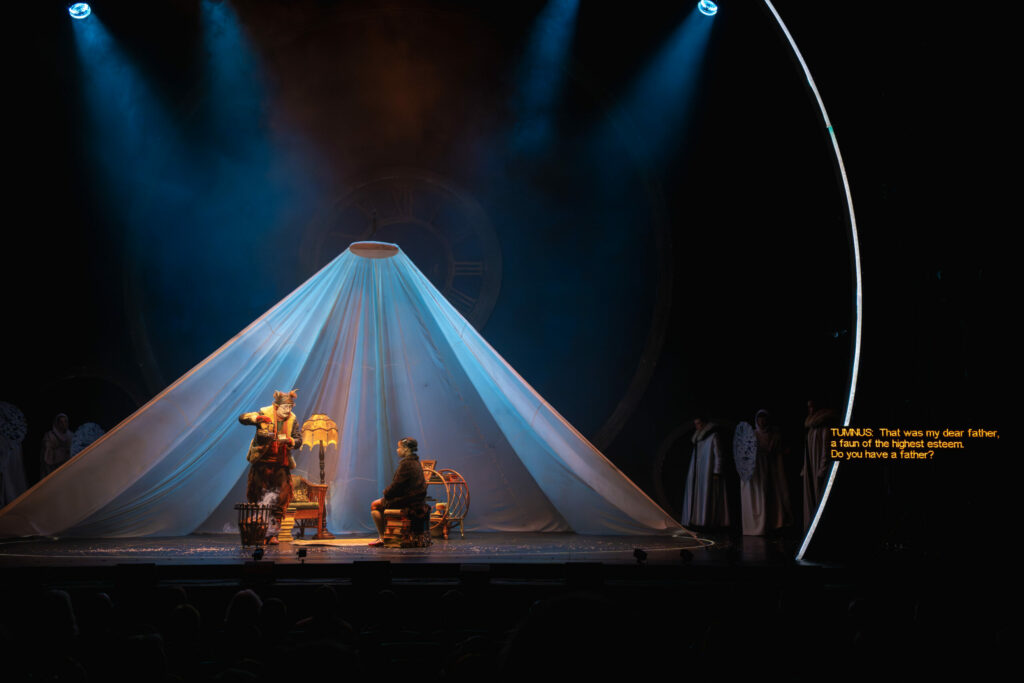
The Lion, The Witch and The Wardrobe – Stagetext captioned performance (c) Malachy Luckie
During Captioning Awareness Week (10-16 November), we caught up with Rachel Jele, Head of Advocacy and Engagement at Stagetext. She told us about the significance of Captioning Awareness Week and why theatre captioning and subtitles are so important for the creative and cultural sector, now more than ever.
What is Captioning Awareness Week?
Captioning Awareness Week is an annual Stagetext campaign raising awareness of text-based deaf access such as captions and subtitles. It encourages creative and cultural venues to welcome the 18 million deaf, deafened and hard of hearing adults in the UK to take part in their cultural offering.
This year is extra special as we’re celebrating our 25th anniversary. We started with one theatre-captioned show back in 2000 – and today we caption and subtitle more than 1,000 creative and cultural events every year. That’s roughly three captioned or subtitled events happening somewhere in the UK every single day!
During Captioning Awareness Week, we work with theatres, arts and heritage venues to promote accessible shows, talks and tours, and help organisations get started with accessibility – from learning about digital subtitles to taking part in deaf awareness training.
Can you tell us more about the importance of deaf accessible subtitling and why it matters now?
More cultural organisations are recognising that subtitling and theatre captioning isn’t just a technical add-on, it’s a core digital skill. Increasingly, audiences expect captions or subtitles when viewing content online, particularly on social media.
Our research shows that 54% of people use subtitles to watch TV or online content, with 42% saying they help them concentrate. Almost a quarter (24%) have used captions or subtitles at live events and most users for TV and online content are under 25.
With 1 in 3 people in the UK being deaf, deafened or hard of hearing, these figures show that caption users make up a significant portion of your potential audience – people who may turn elsewhere if your content is not accessible. What’s more, by adding subtitles, you’re also supporting neurodivergent audiences and those who use English as an additional language.
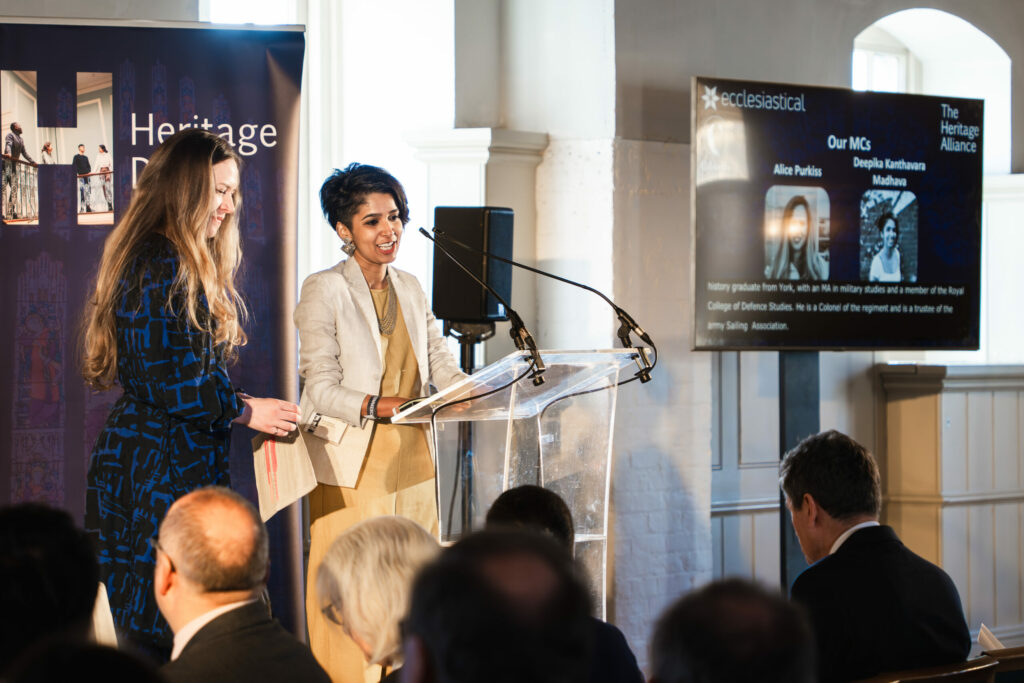
Stagetext heritage day (c) Malachy Luckie
How can creative and cultural organisations make their content more accessible?
If you’re using videos to promote performances or programmes, adding subtitles is a key tool for reaching and engaging audiences. But not all subtitles are equal. For example, many autogenerated subtitles on social media aren’t deaf accessible. They often appear one word at a time, are out of sync, or don’t identify who’s speaking. This makes it harder for audiences to focus on the story, leading to fatigue or confusion.
Captioning isn’t just a technical add-on, it’s a core digital skill.
Good subtitles benefit everyone; not just deaf, deafened and hard of hearing audiences. They support learning, improve comprehension and make your content easier to engage with. When people can access and connect with your message, they’re more likely to share it and be loyal to your brand, boosting your visibility and reputation.
Want to learn more?
Follow us as we celebrate our annual Captioning Awareness Week and take the opportunity to learn more about deaf access through our webinars. Accessibility is a year-round commitment, and both Stagetext and the Digital Culture Network are here to support you along the way.
Accessibility is a year-round commitment, and both Stagetext and the Digital Culture Network are here to support you along the way.
You can also take part in Deaf Awareness Week every May – another great opportunity to raise awareness and champion access across the creative and cultural sector.
Our previous webinars with the Digital Culture Network have been hugely popular, and you can revisit them below. Make sure you also sign up to Stagetext’s newsletter to hear about future events and training opportunities.